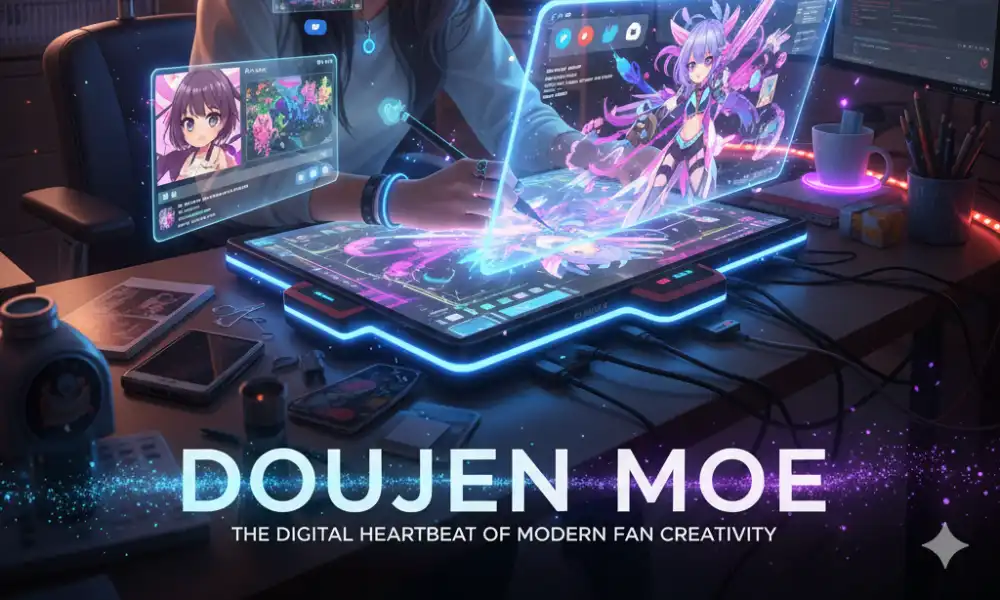
1. Introduction — Understanding the Essence of Doujen Moe
The term Doujen Moe has been steadily making waves across online platforms, creative communities, and digital fandom spaces. While it may sound like a niche phrase, its meaning extends far beyond casual internet slang. Doujen Moe represents the fusion of fan-made passion, creative storytelling, and emotional resonance within online art and culture.
Rooted in the digital age’s participatory spirit, Doujen Moe celebrates the idea that creativity doesn’t have to come from established studios or professional creators — it can bloom from everyday fans with extraordinary imagination. It reflects how communities come together to share stories, reinterpret beloved characters, and build emotional connections through art.
In essence, Doujen Moe is not just a term — it’s a movement, one that mirrors the evolution of modern creativity and fandom identity in an increasingly interconnected world.
2. The Origins and Meaning of Doujen Moe
To understand Doujen Moe, it helps to break down its cultural and linguistic layers. The term “Doujen” (sometimes stylized from doujin or doujinshi) originates from Japanese culture, where it refers to self-published works created by fans or independent artists. These can range from comics and novels to games and digital illustrations inspired by existing media franchises or original concepts.
Meanwhile, “Moe” is a term widely recognized in anime and manga fandoms. It expresses a feeling of affection, charm, or emotional attachment toward fictional characters, aesthetics, or themes. When combined, “Doujen Moe” becomes a celebration of fan creativity infused with heartfelt emotion — art that is born not out of commercial intent but out of pure passion.
Thus, Doujen Moe represents the spirit of creative independence. It is where fan-driven storytelling meets emotional expression, creating works that often feel more intimate, imaginative, and experimental than mainstream productions.
3. The Rise of Doujen Moe in Digital Culture
The global spread of Doujen Moe can be attributed to the rise of digital platforms and fan communities. Websites like Pixiv, DeviantArt, Reddit, and Tumblr became virtual galleries for creators to share self-published art and stories. Meanwhile, conventions such as Comiket in Japan and online fandom events worldwide gave artists an avenue to showcase their work and connect with like-minded audiences.
Over time, this subculture evolved into a creative ecosystem. Independent illustrators, writers, musicians, and game developers began to use Doujen Moe as a framework for expressing emotions and building new worlds inspired by existing media.
Some of the most popular examples of Doujen Moe content include:
- Fan-made comics and novels that reinterpret popular anime or game stories.
- Digital fan art showcasing emotional depth and stylistic experimentation.
- Doujin games and soundtracks, often created collaboratively by small indie teams.
This rise reflects the democratization of creativity — where passion and talent, not corporate resources, determine artistic success. Doujen Moe thrives because it humanizes fandom, allowing creators to add their own voice to shared cultural narratives.
4. The Emotional Core — Why Doujen Moe Resonates
At the heart of Doujen Moe lies emotion. It isn’t just about reimagining familiar stories — it’s about expressing how those stories make us feel. Every drawing, narrative, or digital remix carries a sense of affection, nostalgia, or admiration.
This emotional intensity is what sets Doujen Moe apart from traditional media. Unlike mass-produced entertainment, these works are often deeply personal, created by fans for fans. The result is a community built on empathy and shared passion rather than competition.
Here’s why Doujen Moe connects so powerfully with audiences:
- Relatability: Fans see themselves in the creators — ordinary people transforming passion into art.
- Authenticity: The raw, unfiltered emotion in Doujen Moe works makes them feel genuine and heartfelt.
- Connection: Through shared creativity, fans bond across cultures, languages, and generations.
In many ways, Doujen Moe serves as the emotional language of the internet age — one where feelings are painted, written, animated, and shared across borders in real time.
5. The Artistic Landscape of Doujen Moe
Doujen Moe is not limited to one medium or genre. It exists wherever creativity flourishes. From soft watercolor illustrations to digital manga panels, from emotional fan fiction to indie animation — it embraces diversity of expression.
Common themes include:
- Romantic idealism: Stories exploring love, friendship, and connection between beloved characters.
- Nostalgia: Revisiting childhood favorites with mature artistic reinterpretations.
- Fantasy and escapism: Crafting alternate realities or emotional “what-if” scenarios.
- Cultural hybridity: Blending Japanese aesthetic elements with Western storytelling styles.
Visually, Doujen Moe often carries a delicate and expressive aesthetic — soft lighting, emotional expressions, pastel color palettes, and fine detail. These visual cues amplify the emotional resonance of each piece, inviting viewers to experience the work as both art and feeling.
6. The Global Community and Cultural Impact
While Doujen Moe has its roots in Japanese fan culture, its influence has expanded globally. Today, it represents a transnational movement of creativity, uniting artists and fans from all corners of the world.
In the West, creators embrace the Doujen Moe spirit through fan zines, digital webcomics, and independent storytelling platforms. Collaborations between international artists are common, blending languages, styles, and genres in innovative ways.
Moreover, the movement has reshaped how the entertainment industry views fan culture. What was once seen as amateur work is now recognized as a legitimate creative force. Many professional artists, illustrators, and game designers began their journey in Doujen communities, using them as creative laboratories to refine their skills and build audiences.
Today, Doujen Moe stands as a cultural bridge — connecting people through shared stories, digital artistry, and the joy of emotional expression.
7. The Future of Doujen Moe — Creativity Without Borders
As technology evolves, so does Doujen Moe. The rise of AI-assisted art tools, virtual reality, and NFT-based creative economies is changing how artists share and monetize their work. These tools offer new possibilities for collaboration, preservation, and accessibility — while still retaining the core value of emotional authenticity.
At the same time, online communities are becoming more inclusive, allowing diverse voices to reinterpret media from unique perspectives. Doujen Moe’s future lies in co-creation and connection — where fans, creators, and audiences blur into one unified creative collective.
It reminds us that art doesn’t belong to corporations alone; it belongs to everyone with imagination, empathy, and a story to tell.
8. Conclusion — Doujen Moe: Where Passion Becomes Legacy
Doujen Moe is far more than a digital buzzword — it’s the heartbeat of modern fan culture. It celebrates creativity born from love rather than obligation, proving that art can thrive anywhere passion exists.
Whether through drawings, stories, or digital innovations, Doujen Moe continues to redefine what it means to be a creator in the 21st century. It represents the freedom to express, to feel, and to share — values that make online art communities not just creative spaces, but emotional homes.
In a world that often moves too fast, Doujen Moe reminds us of something timeless: creativity is the purest form of connection, and every fan with a dream has the power to change culture, one story at a time.
Check Out Other related articles
- Edivawer: The Digital Evolution That’s Changing How We Connect Online
- Kirby Dedo: The Hidden Symbol of Creativity, Gaming Culture, and Digital Expression
- Pyjamaspapper: Where Dreams, Design, and Comfort Come to Life
- Ovppyo: The Next-Gen Innovation Redefining Digital Possibilities
- Blazertje: The Subtle Fashion Statement Taking Over Modern Wardrobes