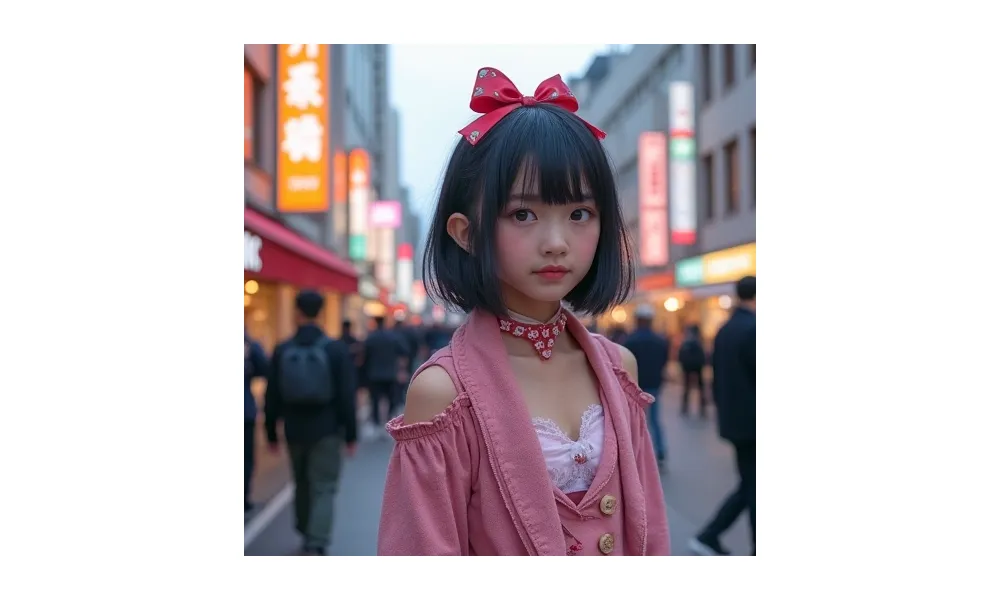
Harajuku fashion is more than just clothing—it’s a cultural statement, an explosion of color, creativity, and rebellion against the mundane. Rooted in the bustling streets of Tokyo’s Harajuku district, this iconic style movement has captivated the world for decades. From kawaii cuteness to gothic drama, Harajuku fashion celebrates individuality in its purest form. On stripesnvibes.com, we dive deep into this fascinating world where fashion meets freedom, and every outfit tells a story.
The Origins of Harajuku Fashion
To understand Harajuku fashion, we must journey back to post-war Japan. During the 1940s and 1950s, Harajuku was a quiet neighborhood near the Meiji Shrine, frequented by American soldiers and their families. This exposure to Western culture sparked curiosity among Japanese youth, who began blending traditional and foreign styles.
By the 1970s and 1980s, Harajuku had evolved into a creative melting pot. Teenagers began rejecting mainstream conformity and used clothing as a form of self-expression. Streets like Takeshita Dori became the runway of rebellion, where young people gathered every weekend to flaunt their latest experimental looks. This energy gave birth to what we now call Harajuku fashion—a symbol of freedom, diversity, and innovation.
Check Out Other related articles
- From Barcelona to London: The Story of United Flight UA770’s Emergency Diversion
- 5StarsStocks.com: A Modern Guide to Smarter Stock Investing
- Kirby Dedo: The Hidden Symbol of Creativity, Gaming Culture, and Digital Expression
- Kalibraatio: The Hidden Science of Precision That Powers Every Industry
- HMS Photovoltaik: Powering the Future of Smart Solar Energy
The Defining Styles of Harajuku
Harajuku fashion isn’t a single style—it’s a kaleidoscope of aesthetics that often merge and evolve. Here are some of the most iconic substyles that define the movement:
1. Lolita Fashion
Inspired by Victorian and Rococo eras, Lolita fashion emphasizes modesty, femininity, and intricate detailing. Think lace dresses, frilled skirts, petticoats, parasols, and bows. Subgenres like Sweet Lolita feature pastel colors and cute motifs, while Gothic Lolita embraces darker hues and mysterious charm.
2. Decora
True to its name, Decora means “decoration.” It’s characterized by excessive accessorizing—colorful hair clips, layered jewelry, stickers, and playful prints. The goal is to look fun, vibrant, and childlike, a living canvas of joyful chaos.
3. Visual Kei
Born from Japanese rock bands, Visual Kei is all about drama and androgyny. Artists wear bold makeup, elaborate hairstyles, and striking outfits that blur gender norms. This style emphasizes performance and attitude as much as aesthetics.
4. Punk and Gyaru
Punk Harajuku draws from Western punk with a Japanese twist—ripped jeans, plaid skirts, leather jackets, and spikes. Meanwhile, Gyaru (pronounced “gal”) is glamorous and rebellious, featuring tanned skin, bleached hair, long lashes, and trendy streetwear. It’s youthful confidence wrapped in fashion.
Each of these styles represents a facet of Harajuku’s diversity. Mixing elements is not only common—it’s encouraged. Creativity knows no boundaries here.
The Spirit of Individuality and Rebellion
Harajuku fashion thrives on the principle of “wear whatever makes you feel alive.” In a society that often values harmony and conformity, Harajuku offers a safe space for self-expression. It’s a statement against uniformity—a celebration of eccentricity.
Walk through the district on a Sunday, and you’ll see outfits that could easily belong in a fantasy novel: pastel wigs, neon makeup, oversized shoes, and accessories that defy logic. But that’s the beauty of it. Harajuku fashion isn’t about trends—it’s about emotions, creativity, and courage.
This free-spirited attitude has inspired global fashion movements and designers. From Gwen Stefani’s Harajuku Girls era to brands like Comme des Garçons and 6%DOKIDOKI, the influence of Tokyo’s street style has transcended borders. Even in an era of fast fashion, Harajuku remains refreshingly authentic.
Harajuku Fashion in the Modern World
With globalization and social media, Harajuku fashion has evolved dramatically. Instagram, TikTok, and YouTube have given creators a platform to showcase their personal styles to global audiences. Influencers and street photographers capture daily fashion moments that spark trends worldwide.
However, modernization has also brought challenges. Many lament that the original spirit of Harajuku—the spontaneous gatherings and experimental freedom—is fading as commercialization takes over. Yet, passionate designers and young enthusiasts continue to revive its essence.
Boutiques and cafes around Takeshita Street still buzz with creativity. Thrift stores brim with unique pieces waiting to be reinvented. Fashion walks, cosplay events, and themed photoshoots keep the culture alive. Harajuku is not dying—it’s transforming, adapting, and inspiring new generations to embrace their quirks unapologetically.
How to Embrace Harajuku Fashion
If you want to channel Harajuku energy into your wardrobe, start small but think bold. Here’s how to get started:
- Experiment with Layers: Combine textures, colors, and patterns. Oversized hoodies with frilly skirts? Go for it!
- Play with Accessories: Harajuku is all about details. Add colorful clips, pins, chokers, or plush toys to your look.
- Be Fearless: Don’t follow rules. Whether it’s neon tights or vintage jackets, own your aesthetic.
- Support Local Creators: Many independent Japanese designers contribute to the scene—explore their unique work online or at pop-up stores.
- Express Yourself: Above all, Harajuku fashion is personal. Let your clothes reflect your mood, your dreams, your story.
On stripesnvibes.com, we celebrate this philosophy—fashion that isn’t dictated by runways but by real people and raw creativity.
The Future of Harajuku Fashion
Harajuku’s future lies in its ability to evolve while staying true to its roots. As sustainability becomes vital, we may see more thrifted and upcycled looks blending into the scene. Digital fashion and AR filters could merge with physical expression, creating a new hybrid of self-representation.
The essence of Harajuku fashion, however, will always remain the same—a fearless declaration of individuality. Whether it’s a pink tutu, platform boots, or a DIY masterpiece, every outfit is a story of someone daring to be different in a world that often demands sameness.
Harajuku fashion isn’t just Tokyo’s pride—it’s a global reminder that style should never be confined by expectations. It’s art. It’s emotion. It’s rebellion wrapped in color. And it’s alive and well on the streets, in hearts, and on platforms like stripesnvibes.com, where creativity continues to shine as bright as the neon lights of Takeshita Street.